

Rubber aging and anti-aging rubber introduction
Release time:
Dec 27,2018
One. The concept of rubber aging rubber or rubber products in the process of processing, storage and use, due to the combined effect of internal and external factors (such as heat, oxygen, ozone, metal ions, ionizing radiation, light, mechanical force, etc.) gradually decline in performance, so that the final loss of use value, this phenomenon is called rubber aging. There are many phenomena of rubber aging, such as: raw rubber will become hard, brittle or sticky when stored for a long time; Rubber film products (such as raincoats, rain cloths, etc.) will change color, become brittle and even crack after being exposed to the sun and rain. Wires and cables erected outdoors will harden, crack and even affect the absolute effect due to the action of the atmosphere.
One. The concept of rubber aging
Rubber or rubber products in the process of processing, storage and use, due to the combined effect of internal and external factors (such as heat, oxygen, ozone, metal ions, ionizing radiation, light, mechanical force, etc.) so that the performance gradually decreased, so that the final loss of use value, this phenomenon is called rubber aging.
There are various phenomena of rubber aging, such as: raw rubber will harden, become brittle or sticky when stored for a long time; Rubber film products (such as raincoats, rain cloth, etc.) will change color, become brittle and even crack after being exposed to the sun and rain. Wires and cables erected outdoors will harden and crack due to the action of the atmosphere, thus affecting insulation. Cracks will occur in products stored in warehouses or other products; the hose in the laboratory will become hard or sticky. In addition, some products are also subject to hydrolysis and fracture or damage caused by mold... All of these are rubber aging phenomena.
The aging process is an irreversible chemical reaction that, like other chemical reactions, is accompanied by changes in appearance, structure and properties.
II. Changes in rubber during aging
1. Appearance changes
Rubber varieties are different, the use of different conditions, the changes are also different.
Soft and sticky: thermal oxidation of natural rubber, aging of chlorohydrin rubber.
Hardened and brittle: thermal oxidative aging of butadiene rubber, aging of nitrile rubber and styrene butadiene rubber.
Cracking: ozone aging of unsaturated rubber, photo-oxygen aging of most rubber, but the shape of the crack is different.
Moldy: rubber biological microbial aging.
In addition, there are spots, cracks, frost spray, powder whitening and other phenomena.
2. Performance changes (the most critical changes)
Changes in physical and chemical properties: specific gravity, thermal conductivity, glass transition temperature, melting point, refractive index, solubility, swelling, rheology, molecular weight, molecular weight distribution; changes in heat resistance, cold resistance, air permeability, water permeability, light transmission and other properties.
Changes in physical and mechanical properties: tensile strength, elongation, impact strength, bending strength, shear strength, fatigue strength, elasticity, wear resistance are reduced.
Changes in electrical properties: changes in electrical properties such as insulation resistance, dielectric constant, dielectric loss, breakdown voltage, etc., and decreases in electrical insulation.
Appearance changes and performance changes are caused by structural changes.
3. Structural changes
The intermolecular cross-linking, molecular weight increases; appearance performance becomes hard and brittle.
The molecular chain is degraded (broken), the molecular weight is reduced, and the appearance becomes soft and sticky.
Other changes occur in the molecular structure: modification of the main chain or side chain, side group shedding weak bond breakage (occurs in special rubber).
Three. causes of rubber aging:
1. Internal causes:
① Molecular structure of rubber
Chemical structure (or chain structure): the basic structure of rubber, such as the unit of natural rubber isoprene, there are double bonds and active hydrogen atoms, so it is easy to participate in the reaction.
Molecular chain structure: the weak bond of rubber macromolecular chain, the more weak links, the easier it is to age.
Unsaturated carbon chain rubber is prone to aging, and the oxidation reaction ability of saturated carbon chain rubber is related to its chemical structure. For example, branched macromolecules are more easily oxidized than linear macromolecules. In terms of oxidation stability, the various substituent groups are arranged in the following order: CH
Cross-linked structure of vulcanizate: cross-linked bonds are-S-,-S2-,-Sx-,-C-C-, cross-linked bond structure is different, vulcanizate aging resistance is different,-Sx-is the worst.
② rubber with components and impurities: rubber often exist in the valence of metals, such as Ca, Fe, Co, Ni, if more than 3ppm will greatly accelerate the aging of rubber.
2. External causes:
Physical factors: thermoelectric opto-mechanical force, high energy radiation, etc.
Chemical factors: oxygen ozone, water vapor in the air, acid, alkali, salt, etc.
Biological factors: Microorganisms: Bacteria Fungi
Insects: termite cockroaches will eat polymer materials.
Marine life: oyster lime worm seaweed seaweed and so on
In practice, the above factors often play a role at the same time. The use of conditions, the role of these factors in different regions are also different, so the aging of rubber is a complex process.
Among them, the most common, most influential and most destructive factors are: heat, oxygen, light oxygen, mechanical force, ozone, which boils down to thermal oxygen aging, light oxygen aging, ozone aging, fatigue aging.
Four. Rubber aging protection
Rubber aging and iron rust, people want to aging as natural, we can only through the aging law of research using the law to delay the aging of rubber, but can not do absolutely prevent. Commonly used protection methods are:
Physical protection method: try to avoid the interaction between rubber and aging factors. Such as: adding paraffin wax in rubber, rubber and plastic blending, electroplating, coating and so on.
Chemical protection method: through the chemical reaction to delay the rubber aging reaction to continue. Such as: adding chemical antioxidant.
Introduction of 5. two kinds of anti-aging rubber
ethylene propylene rubber
1. Brittleness temperature -95 ℃. Glass temperature -60 degrees C.
2. It is a saturated rubber.
3. High chemical stability. In general rubber, aging resistance is the best.
4. Outstanding ozone resistance.
5. EPDM has good weather resistance.
6. Good heat resistance. Long-term use at 120°C. The maximum use temperature is 150 ℃.
7. It has great resistance to various polar chemicals, but it has poor stability in aliphatic (gasoline, benzene, xylene, mineral oil) and aromatic.
8. Electrical insulation: very good electrical insulation and corona resistance. Suitable for electrical insulation products.
9. Impact elasticity and low temperature performance. Elasticity is second only to natural rubber and butadiene rubber.
10. Low density and high filling characteristics. The density is the lowest of all rubbers.
11. Resistance to hot water and water vapor. High pressure steam resistance is better than butyl rubber and general rubber.
12. Slow vulcanization speed.
13. Self-adhesion and mutual adhesion are poor.
14. Flame resistance, air tightness, oil resistance, poor resistance to hydrocarbon solvents.
Neoprene
1. Glass temperature -40 degrees C. Use temperature -30-90 ℃ (maximum 160 ℃)
2. Raw rubber has high tensile strength and elongation at break, which belongs to self-reinforcing rubber.
3. Excellent aging resistance.
4. Excellent flame resistance, excellent oil resistance, solvent resistance. Oil resistance is second only to nitrile rubber and better than other rubbers. In addition to strong oxidizing acid, good chemical resistance.
The electrical insulation is not good, only starts below 600V. 6. The water resistance is better than other synthetic rubber, and the air tightness is second only to butyl rubber.
7. Cold resistance is not good, crystallization tendency.
8. Poor storage stability.
9. Good adhesion, relative density. Supplement: 1. belongs to the crystalline rubber, self reinforcing good
One. The concept of rubber aging
Rubber or rubber products in the process of processing, storage and use, due to the combined effect of internal and external factors (such as heat, oxygen, ozone, metal ions, ionizing radiation, light, mechanical force, etc.) so that the performance gradually decreased, so that the final loss of use value, this phenomenon is called rubber aging.
There are various phenomena of rubber aging, such as: raw rubber will harden, become brittle or sticky when stored for a long time; Rubber film products (such as raincoats, rain cloth, etc.) will change color, become brittle and even crack after being exposed to the sun and rain. Wires and cables erected outdoors will harden and crack due to the action of the atmosphere, thus affecting insulation. Cracks will occur in products stored in warehouses or other products; the hose in the laboratory will become hard or sticky. In addition, some products are also subject to hydrolysis and fracture or damage caused by mold... All of these are rubber aging phenomena.
The aging process is an irreversible chemical reaction that, like other chemical reactions, is accompanied by changes in appearance, structure and properties.
II. Changes in rubber during aging
1. Appearance changes
Rubber varieties are different, the use of different conditions, the changes are also different.
Soft and sticky: thermal oxidation of natural rubber, aging of chlorohydrin rubber.
Hardened and brittle: thermal oxidative aging of butadiene rubber, aging of nitrile rubber and styrene butadiene rubber.
Cracking: ozone aging of unsaturated rubber, photo-oxygen aging of most rubber, but the shape of the crack is different.
Moldy: rubber biological microbial aging.
In addition, there are spots, cracks, frost spray, powder whitening and other phenomena.
2. Performance changes (the most critical changes)
Changes in physical and chemical properties: specific gravity, thermal conductivity, glass transition temperature, melting point, refractive index, solubility, swelling, rheology, molecular weight, molecular weight distribution; changes in heat resistance, cold resistance, air permeability, water permeability, light transmission and other properties.
Changes in physical and mechanical properties: tensile strength, elongation, impact strength, bending strength, shear strength, fatigue strength, elasticity, wear resistance are reduced.
Changes in electrical properties: changes in electrical properties such as insulation resistance, dielectric constant, dielectric loss, breakdown voltage, etc., and decreases in electrical insulation.
Appearance changes and performance changes are caused by structural changes.
3. Structural changes
The intermolecular cross-linking, molecular weight increases; appearance performance becomes hard and brittle.
The molecular chain is degraded (broken), the molecular weight is reduced, and the appearance becomes soft and sticky.
Other changes occur in the molecular structure: modification of the main chain or side chain, side group shedding weak bond breakage (occurs in special rubber).
Three. causes of rubber aging:
1. Internal causes:
① Molecular structure of rubber
Chemical structure (or chain structure): the basic structure of rubber, such as the unit of natural rubber isoprene, there are double bonds and active hydrogen atoms, so it is easy to participate in the reaction.
Molecular chain structure: the weak bond of rubber macromolecular chain, the more weak links, the easier it is to age.
Unsaturated carbon chain rubber is prone to aging, and the oxidation reaction ability of saturated carbon chain rubber is related to its chemical structure. For example, branched macromolecules are more easily oxidized than linear macromolecules. In terms of oxidation stability, the various substituent groups are arranged in the following order: CH
Cross-linked structure of vulcanizate: cross-linked bonds are-S-,-S2-,-Sx-,-C-C-, cross-linked bond structure is different, vulcanizate aging resistance is different,-Sx-is the worst.
② rubber with components and impurities: rubber often exist in the valence of metals, such as Ca, Fe, Co, Ni, if more than 3ppm will greatly accelerate the aging of rubber.
2. External causes:
Physical factors: thermoelectric opto-mechanical force, high energy radiation, etc.
Chemical factors: oxygen ozone, water vapor in the air, acid, alkali, salt, etc.
Biological factors: Microorganisms: Bacteria Fungi
Insects: termite cockroaches will eat polymer materials.
Marine life: oyster lime worm seaweed seaweed and so on
In practice, the above factors often play a role at the same time. The use of conditions, the role of these factors in different regions are also different, so the aging of rubber is a complex process.
Among them, the most common, most influential and most destructive factors are: heat, oxygen, light oxygen, mechanical force, ozone, which boils down to thermal oxygen aging, light oxygen aging, ozone aging, fatigue aging.
Four. Rubber aging protection
Rubber aging and iron rust, people want to aging as natural, we can only through the aging law of research using the law to delay the aging of rubber, but can not do absolutely prevent. Commonly used protection methods are:
Physical protection method: try to avoid the interaction between rubber and aging factors. Such as: adding paraffin wax in rubber, rubber and plastic blending, electroplating, coating and so on.
Chemical protection method: through the chemical reaction to delay the rubber aging reaction to continue. Such as: adding chemical antioxidant.
Introduction of 5. two kinds of anti-aging rubber
ethylene propylene rubber
1. Brittleness temperature -95 ℃. Glass temperature -60 degrees C.
2. It is a saturated rubber.
3. High chemical stability. In general rubber, aging resistance is the best.
4. Outstanding ozone resistance.
5. EPDM has good weather resistance.
6. Good heat resistance. Long-term use at 120°C. The maximum use temperature is 150 ℃.
7. It has great resistance to various polar chemicals, but it has poor stability in aliphatic (gasoline, benzene, xylene, mineral oil) and aromatic.
8. Electrical insulation: very good electrical insulation and corona resistance. Suitable for electrical insulation products.
9. Impact elasticity and low temperature performance. Elasticity is second only to natural rubber and butadiene rubber.
10. Low density and high filling characteristics. The density is the lowest of all rubbers.
11. Resistance to hot water and water vapor. High pressure steam resistance is better than butyl rubber and general rubber.
12. Slow vulcanization speed.
13. Self-adhesion and mutual adhesion are poor.
14. Flame resistance, air tightness, oil resistance, poor resistance to hydrocarbon solvents.
Neoprene
1. Glass temperature -40 degrees C. Use temperature -30-90 ℃ (maximum 160 ℃)
2. Raw rubber has high tensile strength and elongation at break, which belongs to self-reinforcing rubber.
3. Excellent aging resistance.
4. Excellent flame resistance, excellent oil resistance, solvent resistance. Oil resistance is second only to nitrile rubber and better than other rubbers. In addition to strong oxidizing acid, good chemical resistance.
The electrical insulation is not good, only starts below 600V. 6. The water resistance is better than other synthetic rubber, and the air tightness is second only to butyl rubber.
7. Cold resistance is not good, crystallization tendency.
8. Poor storage stability.
9. Good adhesion, relative density. Supplement: 1. It belongs to crystalline rubber and has good self-reinforcement.
Key words:
Learn More About Industry Dynamics
In the face of fierce market competition, the company strives to develop, strive to speed up the optimization and upgrading of product structure, strengthen technological transformation, strictly abide by the requirements of the ISO9001 quality management system, establish a modern enterprise management system, and improve economic efficiency.
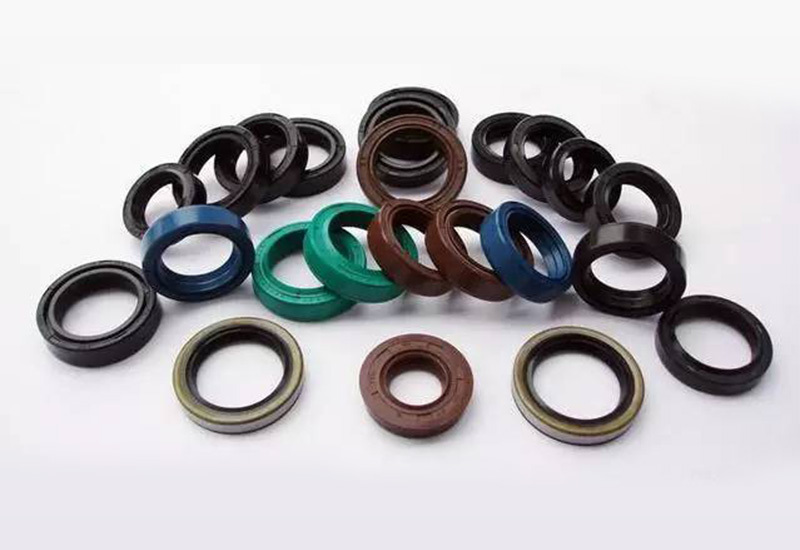
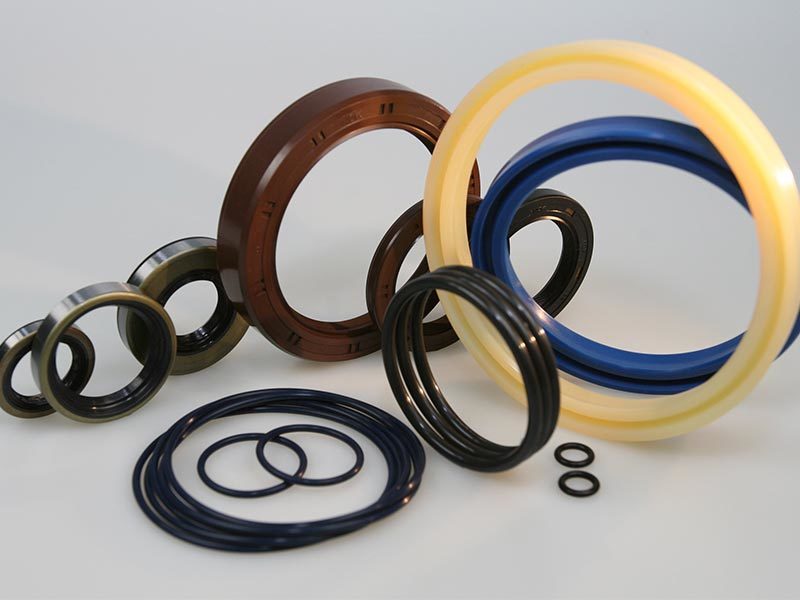
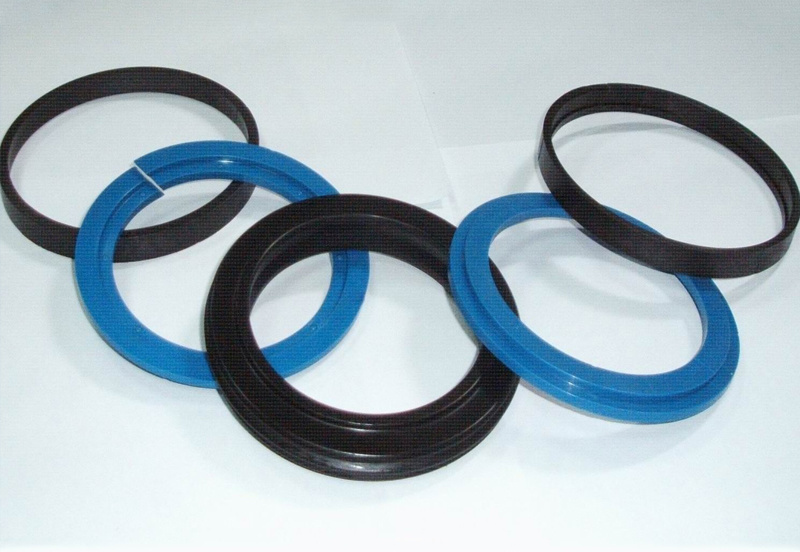

Professional manufacturer of automotive seals
Main Products
The main series of products are: automobile oil seals, skeleton oil seals, automobile rubber products, O-rings, rubber miscellaneous parts, polyurethane seals, polytetrafluoroethylene seals, plastic parts, nylon parts, stamping parts and other more than 500 varieties


Contact Us
Address: Julu Xijiantai Industrial Zone, Hebei Province
Telephone:+8613473199214
Fax:0086-319-4395069
Mailbox:xinghua@juluxinghua.com
Website:en.juluxinghua.com
Quality of service to win customer satisfaction

Scan code to browse the official website
Learn more about auto parts at any time
Leave us a message.